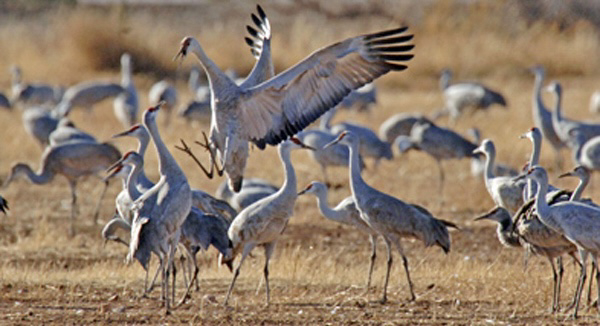
Photo courtesy of Utah Division of Wildlife Resources
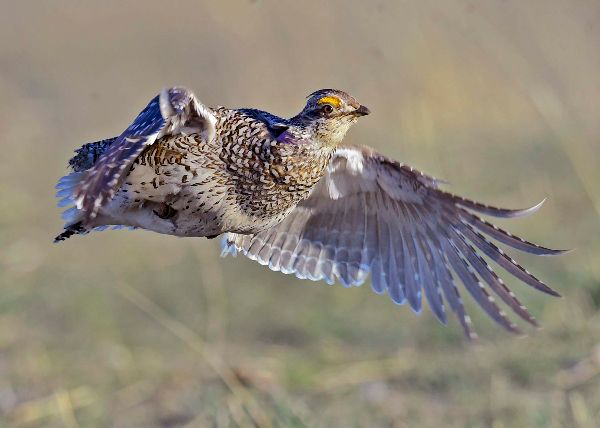
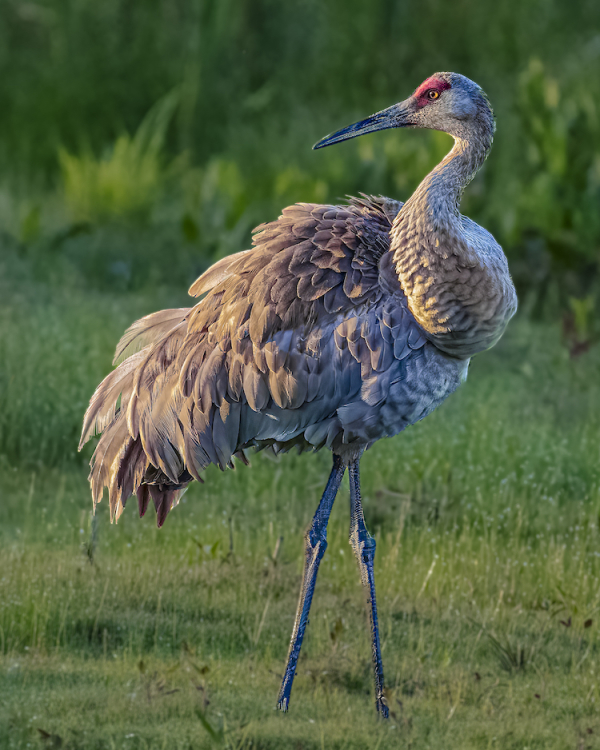
If you are looking for a unique experience in Utah’s outdoors, consider applying for a permit for the chance to hunt greater sage-grouse, sandhill crane, sharp-tailed grouse or tundra swan this fall. The 2026 application period for these four Utah bird hunts opens on Tuesday, June 30.
Obtaining permits
Qualifying to hunt most bird species in Utah is simple: buy a combination or hunting license and head afield. However, some bird species also require a special permit in addition to a hunting license. Those species include:
Band-tailed pigeon
Greater sage-grouse
Sandhill crane
Sharp-tailed grouse
Tundra swan (Hunters should note that it’s illegal to harvest a trumpeter swan in Utah.)
Turkey
White-tailed ptarmigan
Permits for greater sage-grouse, sandhill crane, tundra swan and sharp-tailed grouse are available through the Utah hunt drawing. You can apply for permits from June 30 at 8 a.m. MDT to July 14 at 11 p.m. MDT for a chance to hunt these larger, unique birds this fall. The permits for band-tailed pigeon and white-tailed ptarmigan are available for free, starting July 30, and you can obtain them online or from any license agent.
“These permits provide a unique opportunity for hunters to pursue species that aren’t found everywhere,” Utah Division of Wildlife Resources Migratory Bird Coordinator Jason Jones said. “Utah is one of only nine states that allows swan hunting, and sage-grouse can only be found in the western United States. It’s a great chance for people to do something different and have an incredible experience in the outdoors.”
To participate in the hunt drawing, you must apply for permits no later than 11 p.m. MDT on Tuesday, July 14. You should be notified of your drawing results by July 23. Hunters should note that there is a new Utah draw application system, so the website and contractor are different from previous application periods. Visit the DWR website to learn more about the new system features.
If you’re not going to hunt swans, cranes, sharp-tailed grouse or sage-grouse this year, you can still apply for a preference point. Hunters with preference points have a better chance of obtaining a permit for the following year.
If you’re planning to apply for a tundra swan permit, you must first successfully complete the 2026 swan hunting orientation course. The course is an annual requirement for everyone who applies for a swan permit. Hunters should also be aware that e-tagging will be allowed for swans this year, and further information about the process can be found on the DWR YouTube channel.
If you have questions about applying for a permit, call 855-883-7297 or the nearest DWR office.
Other requirements
You also have to register in the Migratory Bird Harvest Information Program (HIP) if you plan to hunt the following migratory species:
If you are 16 or older and you’re going to hunt any waterfowl — including ducks, geese, swans, coots, rails and snipes — you must also purchase a federal migratory bird hunting and conservation stamp, often referred to as a “duck stamp.” Those stamps can be purchased on the DWR website (starting July 1), at duckstamp.com, at participating post offices, from some license agents or by phone at 800-782-6724. The fee for an electronic duck stamp is $30 and, like a paper stamp, it is valid for the entire migratory season.
Federal duck stamps help fund wildlife conservation across the U.S., with 98% of the purchase fee going directly to help acquire and protect wetland habitat and purchase conservation easements for the National Wildlife Refuge System.
Hunting seasons
The hunting seasons for the birds that require a permit in Utah are as follows:
Band-tailed pigeon: Sept. 1-14
Greater sage-grouse: Sept. 26 to Oct. 18
Sharp-tailed grouse: Sept. 26 to Oct. 18
Tundra swan: Oct. 3 to Dec. 13
White-tailed ptarmigan: Sept. 1 to Oct. 31
Sandhill crane: Sept. 5-13 for Cache and Rich counties, Sept. 5 to Nov. 3 for east Box Elder County, Sept. 26 to Oct. 15 for the early Uintah Basin hunt, Oct. 16 to Nov. 4 for the middle Uintah Basin hunt and Nov. 5-24 for the late Uintah Basin hunt.
If you are new to hunting and wondering where to start, you may want to try Utah’s Trial Hunting Program. This program allows you to tag along and hunt upland game or waterfowl with a licensed hunter who is over 21. You can try this for up to three years before you are required to take hunter education yourself.