
Coast Guard Cautions Boaters on Cold Water

BOSTON — The Coast Guard is reminding boaters and paddlers heading out on the water this month to keep safety in mind.
Weather forecasts are slated to bring unseasonably warm air, but the water can be dangerously cold. The current water temperature in Boston Harbor is 46 degrees Fahrenheit, but last winter during the coldest month it averaged 36 degrees Fahrenheit.
“Excited boaters and paddlers in their new canoes and kayaks will understandably want to take advantage of the mild weather,” said Walt Taylor, the 1st Coast Guard District’s recreational boating safety specialist. “The Coast Guard strongly recommends everyone boating this winter always wear a lifejacket over a dry-suit or wetsuit, carry a VHF radio, and file a float plan with someone who knows when you are leaving, where you are going, and when you plan to be back.”
The ocean and inland waterways in New England pose unique dangers in the wintertime.
“When a person falls in cold water, their body responds to initial shock with an instantaneous gasp for air,” said Taylor. “If their head is underwater, this may cause the person to swallow water and drown.”
The Coast Guard’s boating safety mobile app titled “United States Coast Guard” can be found in Apple and Google Play online stores, and is a great tool for boaters.


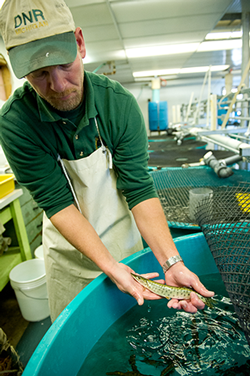 The Department of Natural Resources recently stocked 27,449 muskellunge fingerlings into 17 water bodies located throughout the state, in an effort to further enhance Michigan’s world-class fisheries.
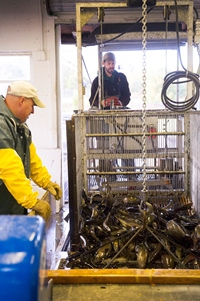 Some years back, when Michigan’s Chinook salmon program was in its greatest glory, some anglers suggested the Department of Natural Resources abandon raising the smaller, less spectacular coho salmon and put more emphasis on the kings. The DNR demurred, preferring a multispecies approach.