Summer Bird Feeding
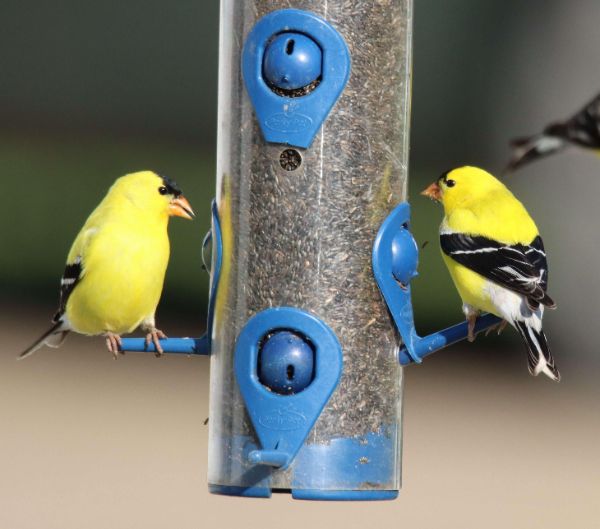
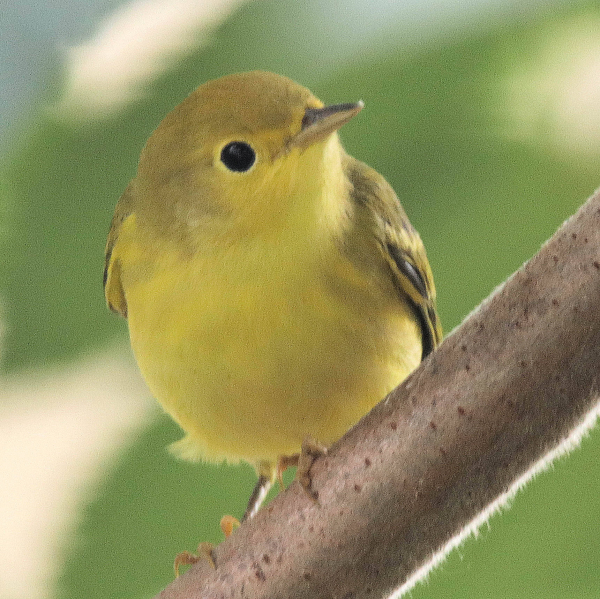
Think about how different summer bird feeding is from the winter feeding: Certainly, different birds are on hand, and even the same species may look different during the 2 seasons, like American Goldfinches for example (photos by Paul Konrad).
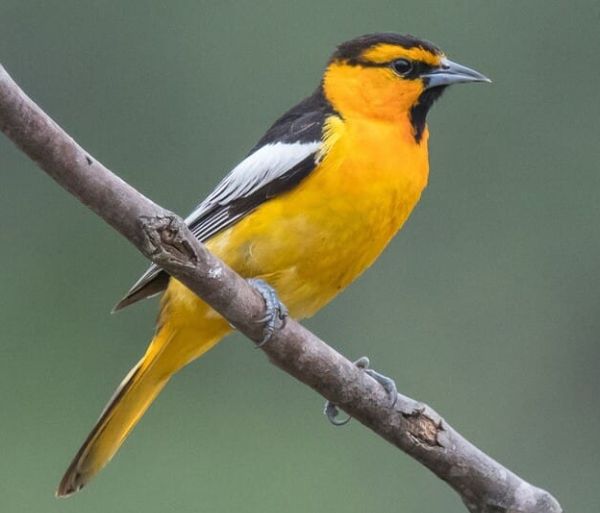
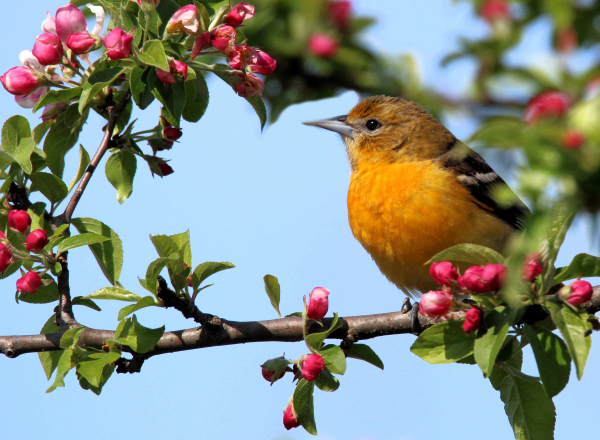
Summer is a good time to try to specialize on attracting birds that may not be around past September. Starting with keeping fresh water in one or more birdbaths in your yard, it’s nice to provide an all-inclusive feeding station that welcomes a variety of birds, and summer is the best time to emphasize certain foods as the nesting season winds down and fledglings become more a part of the neighborhood mix. We tend to focus on such seasonal species as orioles and hummingbirds, as well as goldfinches, woodpeckers, and the occasional nuthatch; but this year robins have become the dominant birds – utilizing grape jelly even more than orioles – as are House Finches.
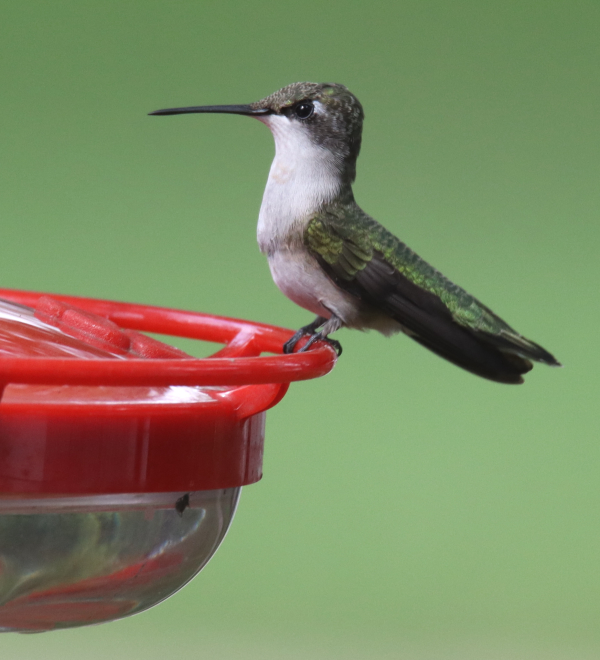
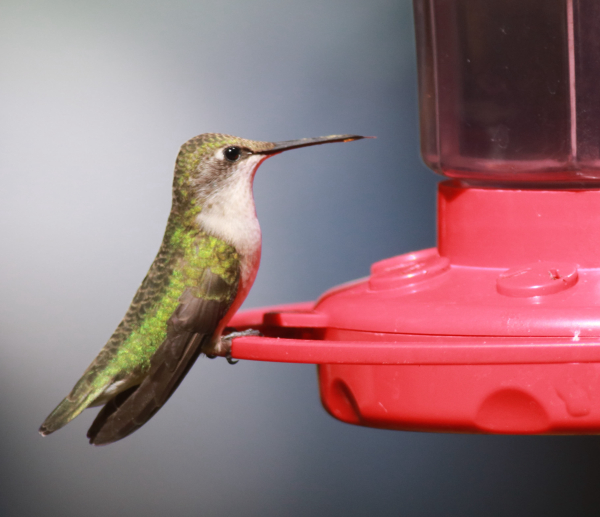
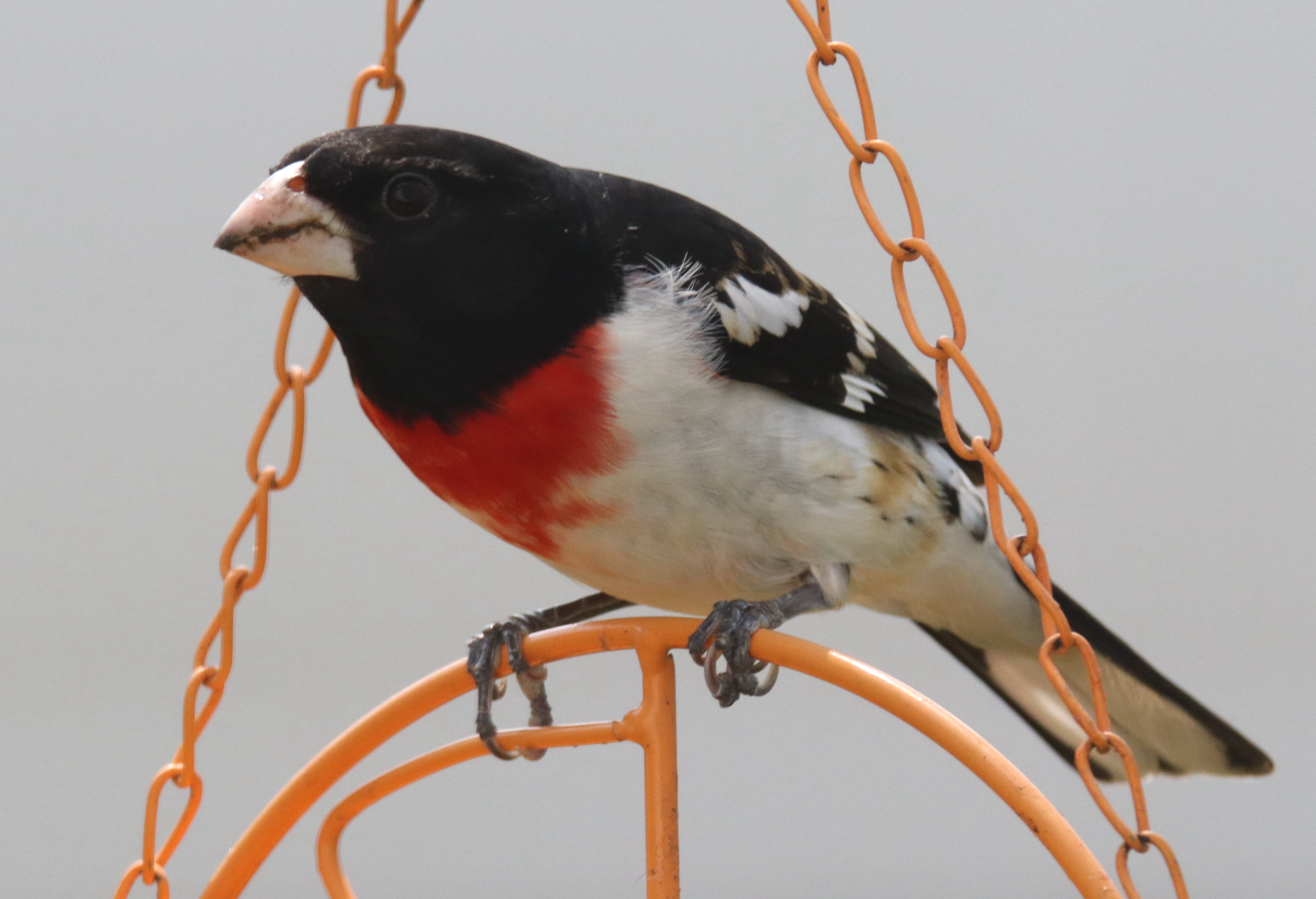
Do what works best for you: Our summer feeding efforts center on providing grape jelly for 2 species of orioles, catbirds, robins; a rare tanager or warbler, and an occasional grosbeak during spring and fall migrations. Sugar-water nectar for hummingbirds is also a daily resource we provide in season. Of course, keep your nectar feeders clean and your nectar fresh, as nesting and post-nesting hummingbirds search for a reliable nectar source. Even if you only attracted these exciting birds to nectar feeders during spring migration, after nesting more adults and new fledglings will likely bring even more hummingbird action to your nectar feeder in July, continuing through September.
Summer suet can be your best magnet for woodpeckers, nuthatches, and some other birds – and it may attract family groups when an adult brings fledglings to your suet feeder. We use no-melt suet year-round, while some birders prefer to switch to no-melt suet only during hot months, sticking with traditional suet during freezing temperatures. We take our year-round suet selection one step further by using “hot pepper no-melt suet” to discourage squirrels and other rodents from frequenting our feeders.
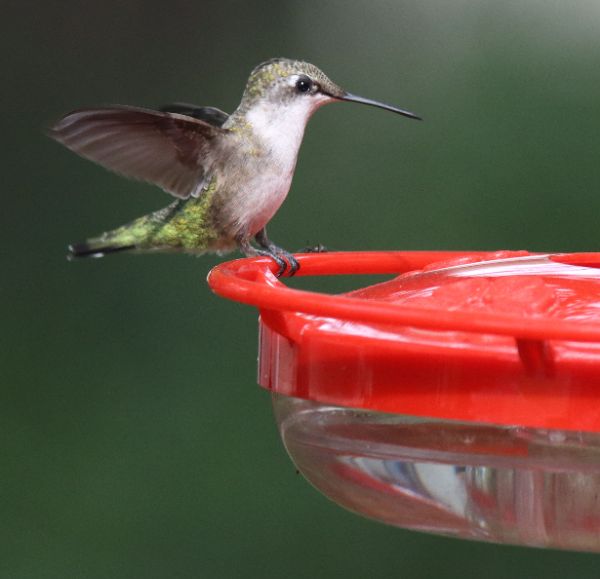
Seeing a hummingbird alight on your nectar feeder can brighten anyone’s day, day after day. Hummingbird feeders are easy to add to an office view, or outside a school classroom too.
After they finish nesting and post-fledging, many species begin moving to new locations, searching out a dependable food and water sources – maybe yours. That’s when it is most likely that you may attract a new species or 2, and it’s especially enjoyable when fledglings are introduced to your feeding station mix. We don’t offer peanuts during summer, but that’s a personal choice because sunflower seeds and nyjer thistle seeds do the trick for our summer species.
During the warm days of summer, providing fresh water in a shallow basin, a shallow birdbath, or another water feature is the best way to keep attracting the most interesting birds to your yard. Keep your water fresh, and think about improving your birdbath with a mini-fountain mister, dripper, or water wiggler – because the sound of moving water attracts new birds that may be on the move after nesting, searching for a water source. Also, the tranquil sound of moving water can be another nice addition to your yard for you and your guests appreciate.
Summer can be the most exciting time of the year at your feeding station, even when a rarer bird only makes a short visit or a new species drops by, or when a couple oriole fledglings join your feeder action. Summer is also a good time to do a little experimenting – just for fun. Have you ever tried offering piece of a peeled banana? Or grapes? You never know what birds might be attracted to a new food offering. Enjoy this summer!
Share your backyard birding experiences and photos with The Birding Wire at editorstbw2@gmail.com