Delta Waterfowl Expands Predator Management to Produce More Ducks

The Duck Hunters Organization conducts annual field work in the prairie pothole region during nesting season

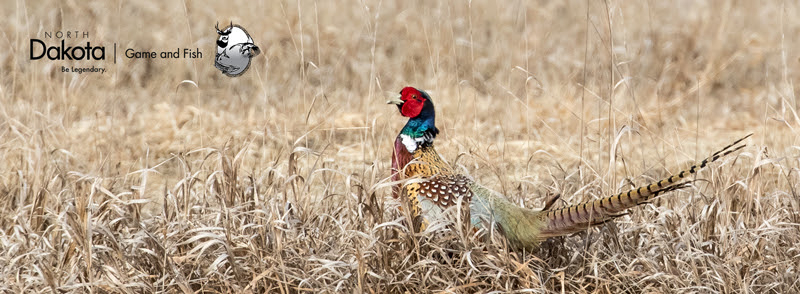
As ducks begin to breed and nest in the prairie pothole region this spring, Delta Waterfowl’s Predator Management trappers are again hard at work to boost the hatch and increase duck production.

Delta Waterfowl continues to increase its impact for ducks and duck hunters, operating a program-record 46 Predator Management sites during the 2024 breeding season, up from 31 sites in 2023. The program expansion is an incremental step in Delta’s delivery of the Million Duck Campaign, a $250 million fundraising initiative with a goal to produce 1 million ducks annually.

“We are now operating in all five prairie pothole region jurisdictions (Alberta, Saskatchewan, Manitoba, North Dakota, South Dakota) at the same time,” said Mike Buxton, waterfowl programs director for Delta Waterfowl. “We’ve added 15 more sites this season, which establishes the base for continued growth of Delta’s Million Duck Campaign.”

Delta’s Predator Management trappers—all of whom are professionals with extensive trapping experience—begin work in early spring. Some years, they are met with deep snowdrifts that hamper access, while other springs afford easier mobility to set traps for duck nest predators.

“It’s important to have as much time as possible for the traps to do the job ahead of when ducks start nesting,” Buxton said. “During those gigantic snow years, the water is really good for ducks when all of the snow melts, but it inhibits our trappers’ ability to get everywhere they need to be right from the start. We just go about our work a different way.”

The goal of Delta’s Predator Management is to produce ducks.

“We strategically deploy this tool in landscapes where duck production is low and not reaching its full potential,” Buxton said.

Raccoons and skunks, duck nest predators that were uncommon or absent across much of the prairie prior to the 1950s, have become overly abundant in many areas because of changes in land use and agriculture. The effects have been devastating for ducks. Studies have shown that up to 90 percent of the failed nests are destroyed by predators. Read more

Firearm Industry Surpasses $17 Billion in Pittman-Robertson Excise Tax Contributions for Conservation

Firearm Industry Surpasses $17 Billion in Pittman-Robertson Excise Tax Contributions for Conservation

WASHINGTON, D.C. — NSSF®, The Firearm Industry Trade Association, celebrates firearm and ammunition manufacturers topping $17 billion in excise tax contributions to the Wildlife Restoration Trust Fund since its inception in 1937. When adjusted for inflation, the total is more than $27.38 billion. The latest Firearms and Ammunition Excise Tax (FAET) Collection report released by the Department of the Treasury, covering the 4th Quarter Calendar Year 2023, indicates that firearm and ammunition manufacturers contributed more than $222 million.

“The entire firearm and ammunition industry celebrates this milestone that demonstrates our commitment to wildlife conservation for all Americans,” said NSSF President and CEO Joe Bartozzi. “The firearm and ammunition industry knows the conservation of wildlife and the habitats in which they thrive are invaluable. They are critical to future generations taking part in hunting and the recreational shooting sports traditions and learning about their vital importance. This manufacturing industry, which produces firearms and ammunition for law-abiding citizens, also produces the funding upon which our wildlife depends and is vital for future generations to enjoy.”

The firearm and ammunition industry added $1 billion in conservation tax contributions in just one year. NSSF announced Firearm and Ammunition Excise Tax (FAET) contributions have totaled more than $1 billion annually for the past three years. Read more

USDA Black Vulture Study Taking Flight in Arkansas, Missouri

The Arkansas Game and Fish Commission and U.S. Department of Agriculture need the public’s help collecting sightings of black vultures outfitted with special tags fitted to their wings. The birds are part of a multi-year study to better mediate conflicts with black vultures.

Birdwatchers, livestock owners and landowners are encouraged to report any tagged birds to the United States Geological Survey’s Bird Banding Lab online at reportband.gov. Sightings can also be emailed to USDA Wildlife Biologist Eric Tillman at Eric.A.Tillman@usda.gov.

Black vultures and turkey vultures both play an important role in nature by eating dead animals and removing disease from the landscape. The more aggressive black vultures, however, can cause issues for cattle ranchers and other livestock producers. The species can prey on calves, vulnerable cows, and smaller farm animals such as lambs and goats. Black vultures also are known to cause property damage to vehicles, boats and houses. Read more

Kayak Fishing Fun – The Ultimate Guide to Kayak Fishing – Available Now on Newsstands

120-Page Publication Plus Hours of Digital Content on YouTube, MyOutdoorTV & kayakfishingfun.com

Outdoor Sportsman Group’s (OSG) Kayak Fishing Fun is a specialized magazine that ushers both novices and experienced anglers into the exciting world of kayak fishing. This comprehensive, 120-page publication is set to hit the newsstands on May 7, and available across OSG’s esteemed print and digital platforms. Additionally, Kayak Fishing Fun extends its reach beyond print, offering dynamic video content accessible at www.kayakfishingfun.com and the Florida Sportsman Kayak Fishing Fun YouTube playlist. Fans can also stream exclusive content on MyOutdoorTV, bringing the thrilling world of kayak fishing into homes worldwide. Read more

Win a Custom LaRue Tactical OBR from Primary Arms

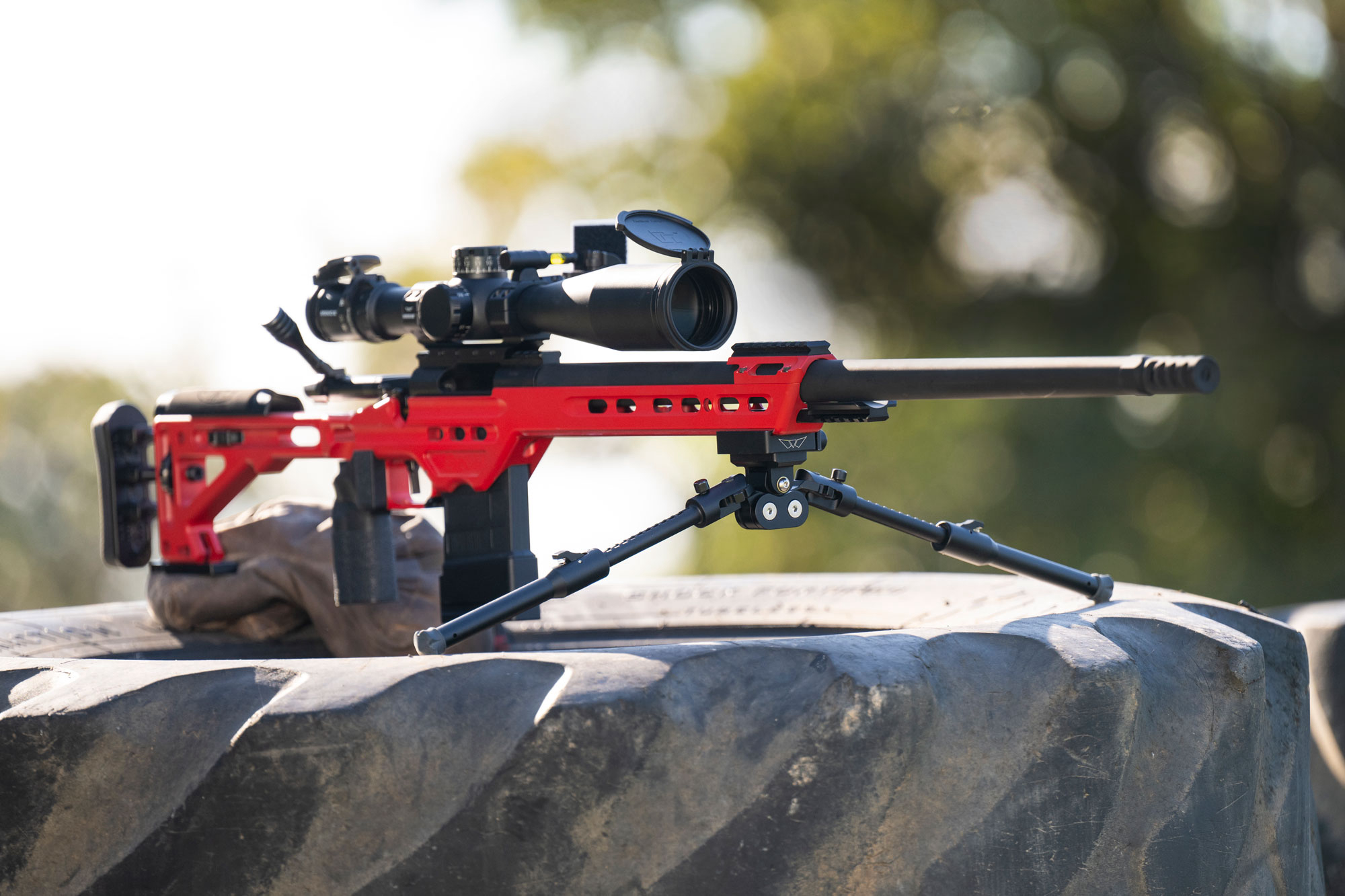
HOUSTON, TEXAS – This month, Primary Arms is giving away a LaRue Tactical OBR 7.62, upgraded with a GLx® 3-18×44 FFP Rifle Scope, Harris bipod, and more! This rifle package is valued at over $4,000 and would be a fantastic addition to any enthusiast’s collection, offering performance, ballistic power, and long-range precision.

Click here to see the Monthly Giveaway Page: [Click Here]. Read more

WIN A 5-DAY BEZOAR IBEX HUNT IN TURKEY

Ever dreamt of hunting Bezoar Ibex in Turkey? Here’s your golden opportunity!

Enter sweepstakes to win a 5-day one-on-one guided Anatolian (Bezoar) Ibex hunt in Turkey with world famous outfitter Kaan Karakaya of Shikar Safaris. The Anatolian Ibex, which has the world’s longest horns in relation to body weight (140 lbs), is the most handsome of the Ibex species with horns as long as 55.” The hide of the male Ibex is decorated in a wonderful harmony of black and white during the rutting season.

About the Hunt Read more

Michigan DNR asks anglers to report tagged brown trout for new Rifle River study

DNR asks anglers to report tagged brown trout for new Rifle River study

The Michigan Department of Natural Resources is asking Rifle River and Saginaw Bay anglers to keep an eye out for brown trout with a tag or clip and to report information about these fish as part of a new study.

This spring, the DNR initiated a pilot study to gauge brown trout movement in the Rifle River and their exchange between the river and Saginaw Bay. Over the next two years, approximately 20 brown trout in this vicinity will be tagged with an internal acoustic telemetry tag. Acoustic tags, also called transmitters, send a series of pings to nearby receivers, which essentially act as underwater computers anchored to the lake bottom. These tags connect with the network of receivers in Saginaw Bay and the main basin to collect fish movement information.

Local anglers recently have reported an increase in catch rates of lake-run brown trout. The Rifle River is annually stocked with the Sturgeon River strain of brown trout to create a resident stream fishery, but this strain of the species can exhibit lake-run behavior, meaning that they migrate from the river to the Great Lakes. This pilot study will provide preliminary data to determine the extent to which this may be occurring and assist the DNR with future management decisions. Read more

Smallbore, Air Matches Return to CMP’s 2024 Camp Perry Open

By Ashley Dugan, CMP Staff Writer

CAMP PERRY, Ohio – Register now for the Civilian Marksmanship Program’s (CMP) 2024 Camp Perry Open! The annual event is set to be held May 31-June 3, and offers a full schedule of air gun and smallbore rifle competitions – all held at the Camp Perry National Guard Training Facility in Port Clinton, Ohio.

Matches at the 2024 Camp Perry Open include a junior 3×20 air rifle match and 60 Shot air rifle and air pistol competitions for adults and juniors, with adaptive athletes encouraged to attend all events. Additionally, a free air rifle clinic will be available to attendees. All air gun events will be held within CMP’s Gary Anderson Competition Center indoor electronic range.

Outside, a 3×20 smallbore rifle match will take place on Camp Perry’s Petrarca Range, conveniently located next to the air gun facility and also equipped with an electronic target line.

Adding even more excitement to the Camp Perry Open will be the celebrated Super Final elimination event – featuring costumes, music and other elements that bring fun to the match. Read more

Thanks for the “Fishing” Memories

By Glen Wunderlich

Charter Member Professional Outdoor Media Association (POMA)

The pop-up camper was loaded well in advance of what has become an annual trek for trout at the Rifle River Recreation Area in Michigan’s Otsego County. All manner of gear was neatly stowed, as my friend, Terry, and I headed north for a few days of fishing excitement. The weather forecast being monitored via cell phone had shown rain for our arrival time and it was pushing north just like we were. The moving picture showed we had a chance to pitch our tent before the threatening weather commenced.

The large tent would provide some elbow room in the camper by alleviating clutter in our living space and setting it up was the first order of business for good reason: The camper was filled with bulky items, which had to be removed before it could be occupied.

Spruce campground at the Rifle River Recreation Area

Like so many excursions over the years, it seems like most vivid memories are connected to events that had little in common with a kill or a catch; this was to be one of those moments.

The fog had graduated into mist only a few miles from our destination and we agreed it wasn’t enough to prevent changing our plans. The family-size tent had shock-corded fiberglass poles that had to be threaded through loops and having a helper to assemble the shelter was a welcome change for this seasoned camper. The mist had now advanced to a light rain, as we scrambled in earnest to assemble the monstrosity, as my pal, Doug, who was along with his own modern trailer/camper, disappeared directly to his dry den.

We laid down a plastic tarp for underlayment and began hammering down the stakes through the loops of tent’s floor, as the light rain evolved to a moderate downpour. We had reached the point of no return, as conditions had us fumbling forward. As with many modern tents, this one had a rain fly that had to be installed once the actual tent was erected, but we were not there yet. The open-air design of the tent’s screened roof was typically a welcome design, but not this time; the now heavy rain was pouring through the mesh and our clothing – exactly what we had hoped to avoid! Too late for that.

As if the rain wasn’t enough to hinder assembly, the ever-increasing wind provided another measure of difficulty, before we finally managed to get the fly attached. We finished the arduous task and scurried to the camper to transfer gear. After cranking up the old camper’s roof, another dilemma was apparent: The camper’s door had broken from its mount and required repair before we could proceed, as Mother Nature grinned at our misfortune.

It didn’t take long for an assessment and a necessary trip to town for sheet metal screws. Fortunately, Doug had a cordless drill and we returned with the requisite fasteners and expertly had that door working like new in short order. The trouble was that we couldn’t transfer any gear to the tent until we sopped up many gallons of water puddled on the floor. Terry and I grabbed some towels and a bucket and went to work in our wet garments and finished the task, as Mother Nature had enough fun with us and abruptly turned off the skyward spigot.

Doug reappeared totally dry and must have been content with his hard-shell haven. Before our outing was finished, however, he entered into one of those memorable moments of his own.

As I fished on the slippery bank, Doug grabbed a rod and was attempting to reposition himself for a cast nearby. He began slipping on the mud and futilely grabbed one of my rod holders that had been stuck into the ground. He bent the steel rod 90 degrees as it came loose from its mooring, and his right leg involuntarily tested the water temperature, narrowly avoiding a total body plunge. The maneuver was enough to change his plans and he stormed up the hill thus ending his maiden Rifle River fishing adventure.

Yeah, I caught a few fish – barely enough for a taste. However, I doubt that will not come to mind, as we reminisce over time.

Antler-Hunter Kills Grizzly Bear in Encounter Near Wolf Creek

A man searching for antlers shot and killed a grizzly bear on April 25 during an encounter on private land northwest of Wolf Creek.

The man was walking along a ridge covered with low trees and brush with his two dogs at his side and the wind at his back while searching for shed antlers. After seeing a fresh grizzly bear track in a snow patch, he continued along his path and a few minutes later he first saw the bear standing near the top of the ridge about 20 yards away. The bear dropped to all four legs and charged the man, who drew his handgun and fired five shots from distances about 30 feet to 10 feet, grazing the bear with a one shot and hitting and killing it with another shot. The man was not injured in the encounter. He was not carrying bear spray.

The adult female grizzly was in good condition weighing around 300 pounds and was estimated to be 12 years old. The bear had a single cub-of-the-year nearby that was later captured by Montana Fish, Wildlife & Parks bear management specialists and taken to FWP’s wildlife rehabilitation center in Helena. FWP is currently looking for placement for the cub at an accredited zoo.

The incident remains under investigation by the U.S. Fish & Wildlife Service.

1 312 313 314 315 316 2,068