Cashing In During Late Antlerless Season

By Glen Wunderlich

Charter Member Professional Outdoor Media Association (POMA)

Late antlerless firearms deer season is open now through January 1, 2024 for the entire Lower Peninsula of Michigan, whereas the Upper Peninsula is closed to this season.  If there is room in the freezer, hunters can turn those unused licenses into something far more beneficial than a bowl of zero-calorie tag soup.  If you’re going, here are a few things to consider.

For the most part hunters will opt to take a mature doe or two and will be wise to avoid buck deer without antlers.  These antlerless bucks to protect can be those that have already shed their antlers or buck fawns that have grown to the size of yearling does – often confused with adult does.  Although perfectly legal, let’s call it what it would be:  a mistake.  If we are attempting to balance the sex ratio between does and bucks, or simply desire to reduce the number of deer in the area, taking adult does is the goal.
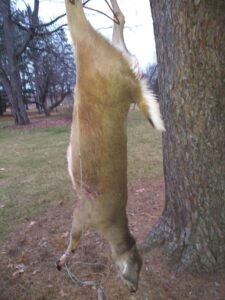
Adult doe taken in late antlerless season 2023

The ability to separate live antlerless deer into two general age groups – fawns and adults – is obtainable for all hunters with a little knowledge and some practice. The three key characteristics are body size and shape, head size and shape, and animal behavior.  Highly recommended is a quick-study video on YouTube by the National Deer Association:  How to Identify Antlerless Deer in the Field.  Just make sure to tote a binocular afield for positive identification.

Since it’s all about the meat, it’s always best to hang a deer for a few days for aging purposes.  To take advantage of good hanging weather, overnight temperatures shouldn’t be so low as to freeze the meat.  To process a frozen deer, it will have to be thawed out; refreezing it afterward can at the very least make it taste bad.

On the other hand, if a deer is allowed to hang in warmer weather, the formation of bacteria can ruin it.  Ideal hanging temperature, therefore, should be between 33 to 45 degrees Fahrenheit.  If not, arrange for walk-in cooler or get to processing.

Even if you opt to take your whitetail to a local processor, don’t do so without first removing the inner tenderloins.  The vast majority of deer hunters fail to do this and unwittingly relegate the best part of the animal to be mixed into burger.

The deer tenderloin (also known as the inner loin or under loin) runs inside the back near the guts. There are two tenderloins per deer and they are very relatively small.  They can be removed easily when the deer is hanging and should be taken out immediately so that they don’t dry out in the open air.  Slice them into disc-like pieces and fry them lightly for a delectable sensation that can’t be topped.

Don’t forget to report your deer within 72 hours of harvest or before you transfer possession to a processor.  Learn more about deer harvest reporting requirements at Michigan.gov/Deer and make sure to report your deer harvest at Michigan.gov/DNRHarvestReport.

TALO Introduces the Glock 25 to US Market

TALO Distributors, Inc. and its member distributors are proud to announce the introduction of the Glock 25 to the United States commercial market. The G25 is similar in size and makeup to the G19 and G23. The major difference being the G25 is chambered in 380 Auto. Available previously in other markets in the world, this version of the G25 is made in Smyrna, GA and available to consumers for the first time in the United States.

Because of its small dimensions, equal to those of the Glock 19, the Glock 25 in the low-recoil .380 caliber can be comfortably carried concealed. Because of the low-recoil firing characteristics of the 380 Auto cartridge, it can be easily and accurately controlled.

The G25 has a 4.02 inch barrel, standard 15+1 capacity, and weighs 22.75 ounces with an unloaded magazine.

Item number UI2550203 (UPC 764503055331) is now available in the market and ready for dealers to order from a TALO member distributor. Production and availability is limited with product continually arriving to our member distributors over the next few months. Read more

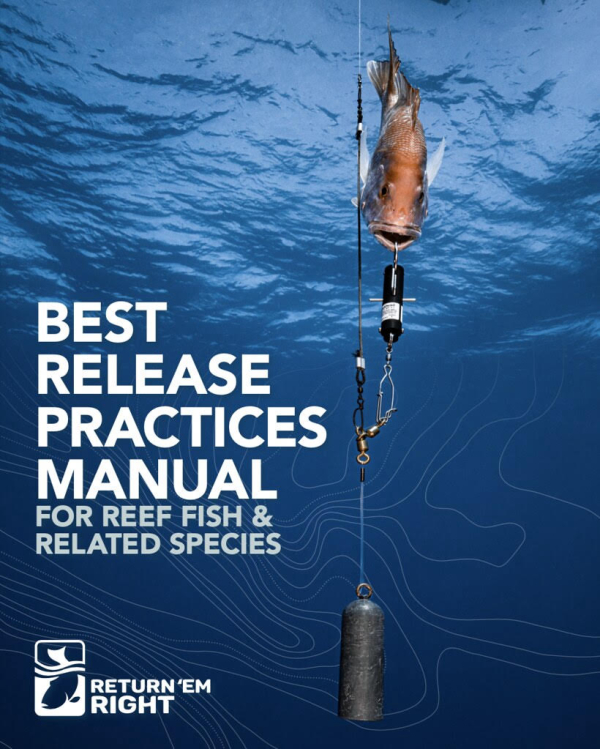
Return ‘Em Right Best Release Practices Manual for Recreational Anglers Now Available

The Return ‘Em Right Best Release Practices Manual, developed in collaboration with private anglers, captains, scientists and fisheries managers, will help anglers improve the survival of reef fish that are caught and released.

Each year, millions of reef fish are caught and released, and many die from the impacts of barotrauma. Barotrauma is a pressure-related injury fish experience when reeled up from depth. These dead discards negatively impact the health of the fisheries. Anglers have the ability to reduce mortality of released fish by learning and using best practices to support the fishery, the objective of the Return ‘Em Right program.

“Research shows using best release practices can dramatically increase the survival of reef fish. This manual is yet another tool anglers can add to their tacklebox,” said Dr. Marcus Drymon, Marine Fisheries Specialist, Mississippi State University, Mississippi-Alabama Sea Grant.

In December of 2021, key experts from the recreational fishing community identified the best strategies to reduce mortality of released reef fish at a two-day workshop. The manual, a product of this workshop, guides recreational anglers through choices they make during a fishing trip to maximize the chances of fish surviving release. Read more

Milestone Reached in Continuing Arctic Grayling Reintroduction Effort

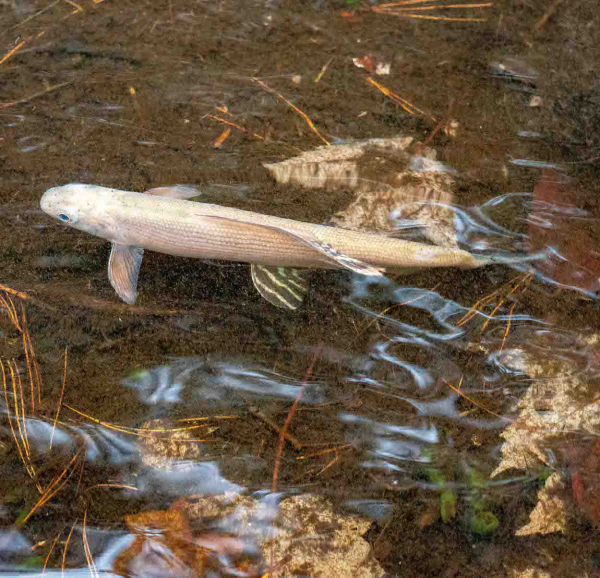
In early November, three Michigan lakes were stocked with Arctic grayling.

These fish are surplus from the establishment of a grayling brood stock as part of the Michigan Arctic Grayling Initiative. The initiative has been underway since Little River Band of Ottawa Indians and the Michigan Department of Natural Resources began a partnership aimed at reintroducing this iconic species to Michigan waters in 2015.

The full partnership now includes nearly 50 stakeholder and partner groups, along with the general and angling public.

Four hundred grayling were stocked at Alger County’s West Johns Lake, 300 at Penegor Lake in Houghton County and nearly 1,300 in Manistee County’s Pine Lake.

The fish were taken from the Marquette State Fish Hatchery in Marquette and represented year classes from 2019 and 2021. Read more

Turkey Researchers Plan for Upcoming Capture Season

Wild turkey genetics, nesting success, and brood survival are among the research topics in a 4.5-year, $2 million study launched in 2022 by the Oklahoma Department of Wildlife Conservation, the Oklahoma Cooperative Fish and Wildlife Research Unit, and partnering with National Wild Turkey Federation, Turkeys For Tomorrow, Muscogee (Creek) Nation, Cherokee Nation, Choctaw Nation, and private landowners to address wild turkey population dynamics Following is a summary of recent study activities. Read more

TrueTimber Bow Ho Ho Sweepstakes

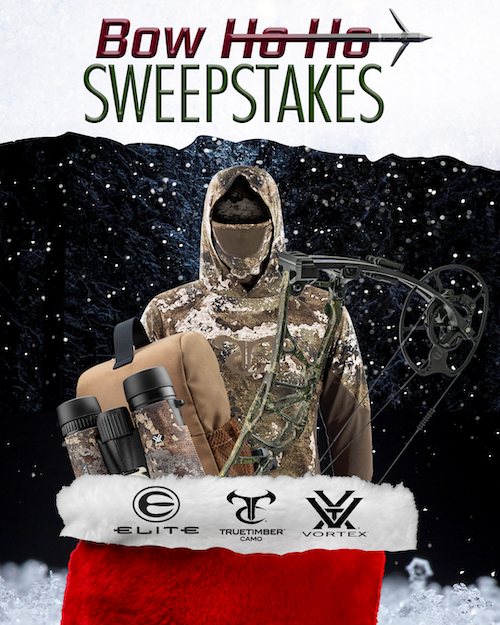
TrueTimber, the world’s best-selling camo brand, joins Elite Archery and Vortex Optics to unwrap the magic of the holiday season with the Bow Ho Ho Sweepstakes. One randomly selected grand prize winner will receive a variety of prizes from each brand. The giveaway entry period is currently open and ends on December 25, 2023, at 11:59 p.m. EST.

To enter, learn more and view the full terms and conditions, visit TrueTimber.

Bow Ho Ho Sweepstakes Prize List: Read more

New cases of avian influenza confirmed in Arkansas

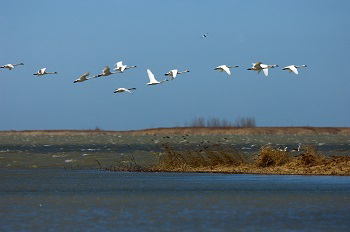
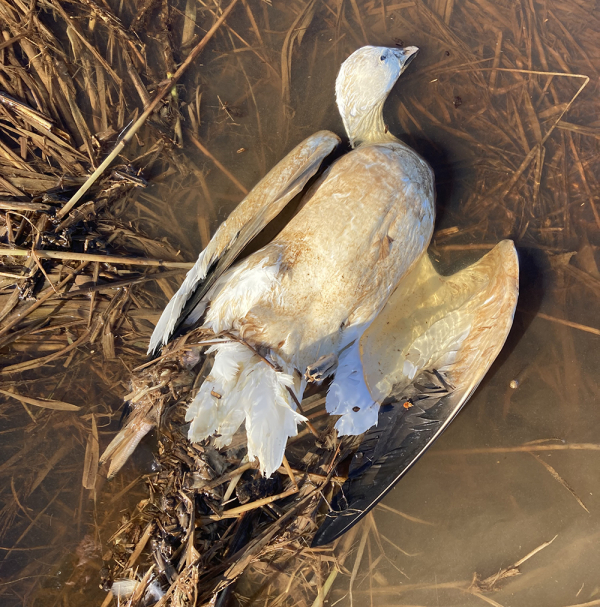
LITTLE ROCK — Biologists conducting aerial surveys to generate waterfowl population estimates last week located a few small groups of dead snow geese and Ross’s geese in Arkansas, Craighead and Lonoke counties that were later collected and tested positive for Highly Pathogenic Avian Influenza. Additional suspected cases have been found in Prairie, Pulaski, Faulkner, Clay and Poinsett counties. While sightings are not as prevalent as last year’s outbreak, the continued presence of the disease on the landscape does create a need to update hunters and anyone who has domestic birds or poultry livestock.

The risk of humans contracting the disease remains low, but hunters can help further minimize that risk by following a few simple precautions. As a general precaution, hunters should use good hygiene practices when handling, cleaning and preparing harvested waterfowl.

Safety Guidelines for Hunters Read more

This Week On “Hunting Matters”

This week “Hunting Matters” welcomes Michael G. Sabbeth.

Michael Sabbeth is a lawyer, lecturer, consultant and author. He lectures nationally and internationally on hunting and shooting ethics, rhetoric and the art of persuasion. Mr. Sabbeth consistently presents at International Hunter Education Association conferences, Texas Hunter Education Instructors Association and at major hunting and shooting conventions including Safari Club International, the Dallas Safari Club and the Namibia Professional Hunters Association.

He writes for about one dozen national and international print and on-line hunting and shooting magazines. He volunteers with organizations that support hunting and shooting opportunities for disabled people including veterans. He has written two books related to ethics and promoting hunting: “The Good, The Bad & The Difference: How to Talk with Children About Values” and “The Honorable Hunter: How to Honorably & Persuasively Defend & Promote Hunting”. Mr. Sabbeth lives in Denver, Colorado. His website is www.thehonorablehunter.com

Read more

Davidson’s Exclusive Smith & Wesson Model 20 Commemorates 200th Anniversary of the Texas Rangers

PRESCOTT, Ariz. – Davidson’s, one of the nation’s top firearms, ammunition, optics, and accessories wholesalers, is proud to announce a very limited edition heavy-duty exclusive revolver produced in collaboration with Smith & Wesson.

Limited to a production run of just 250 units, this .357 Magnum N-frame revolver is a stunning tribute to the fearless legacy of the Texas Rangers. Read more

1 … 400 401 402 403 404 … 2,088