SK Customs Launches Second Pistol in The Untamed Series: Alacrán
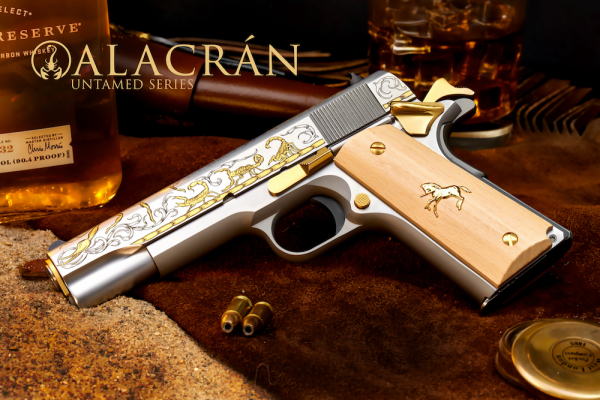
SK Customs®, the Nation’s only series driven, limited edition manufacturer of custom firearms, is proud to introduce Alacrán, the second production in The Untamed series. This exclusive production run consists of only 200 Colt 1911 Full Size Government Models pistols, each meticulously crafted to embody the essence of one of the world’s most dangerous predators, the scorpion.
“Following the success of the Untamed Anaconda, which paid homage to the mighty reptile, we are thrilled to introduce Alacrán as the second edition in The Untamed series,” said Simon Khiabani, owner and founder of SK Customs. “Chambered in 38 Super, these Colt firearms represent the world’s highest diversity of scorpions found in Mexico, known for their extreme venomous nature.”
Alacrán, meaning Scorpion, is a yellow scorpion endemic to Mexico. The study of their venom is crucial for the development of lifesaving antivenom, which can cost up to $36 million per gallon.
The Untamed Alacrán pistol showcases a semi-polished stainless finish on the slide and frame flats, adorned with selective 24k gold controls. Each pistol features a special engraved edition number, making it a truly unique collector’s item. The custom engraved scroll pattern on the firearm resembles the intricate design of a scorpion’s stinger, while the top of the slide showcases a depiction of a “super” scorpion in 24k gold. To further enhance the firearm, SK Customs has included Beechwood grips complemented by the 24k gold Colt Rampart. Read more