By TIM CWALINSKI, Northern Lake Huron unit manager and MARCEE WARDELL, communications specialist, Fisheries Division Michigan Department of Natural Resources
When an angler finds out that you work for the Michigan Department of Natural Resources Fisheries Division, one of their first questions is usually “Why don’t you stock [insert body of water here]?”It seems like a simple question, but there is a lot that goes into the decision to stock or not to stock a lake or stream.Things like the existing fish community, habitat suitability, water temperature and quality, and cost of rearing fish and their availability have to be accounted for, among many other considerations.Check out previous Showcasing the DNR stories in our archive at Michigan.gov/DNRStories. To subscribe to upcoming Showcasing articles, sign up for free email delivery at Michigan.gov/DNREmail.
Plus, stocking is only one of the tools that DNR fisheries managers have at their disposal to enhance fisheries and protect ecosystems. Fishing regulations, habitat improvement and invasive species control are also essential for maintaining healthy fisheries and waters.
So, why wasn’t your favorite fishing hole stocked?
Let’s dive into some of the reasons.
Strong natural reproduction
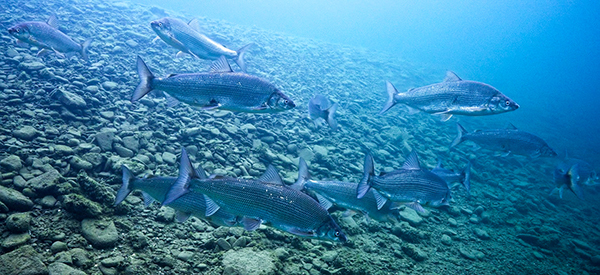
Most of the fish caught in Michigan are not stocked, including panfish, smallmouth and largemouth bass, northern pike and many inland trout. Bluegill, the most popular species for recreational anglers, is not stocked or raised by the DNR.
Why? There’s no need.
Bluegill and other fish in the centrarchid (sunfish) family reproduce prolifically on their own, naturally. Rather than producing and stocking more of these fish unnecessarily, their populations are managed through fishing regulations.
The population there is thriving entirely through natural reproduction, despite disruption from invasive species. The Detroit River and Lake Erie, which are connected to Lake St. Clair, are considered the “walleye capital of the world,” and there is no stocking of walleye in these systems.
These fish reproducing in the wild have ebbs and flows in their populations – some years their populations are higher, some lower. This is natural and expected, based on factors in the environment, and it’s not something that fisheries managers need to offset by fish stocking.
In many cases, fish are stocked with the goal of establishing a population that can reproduce naturally, so that stocking becomes unnecessary.
A naturally reproducing population that can sustain harvest is a mark of a functioning and intact ecosystem.
An example of this is walleye in Saginaw Bay. Walleye in the bay declined in the 1940s, due to unrestrained fishing and declines in water quality and habitat.
The DNR stocked walleye to maintain the population at a relatively low level, and when the population recovered in the early 2000s (after the collapse of alewife), stocking was discontinued.
Today, the population is fully self-sustaining with natural reproduction. There is no need for stocking, and the fishery is considered to be world-class.
Survival
Naturally reproducing fish maintain better survival rates than stocked fish, for several reasons. That doesn’t mean that stocked fish can’t survive well, but it does mean that the decision to stock shouldn’t be taken lightly if it’s going to be successful in adding mature adult fish to a body of water.
The process of transport from a hatchery to a new body of water can stress fish, and the change in water conditions when they’re stocked in a natural body of water can also cause stress.
The hatchery environment has no predators, so stocked fish will face new challenges to their survival as they grow to full size in their new home.
Naturally reproducing fish also have some genetic advantages over stocked fish.
Hatchery-raised fish come from a limited number of parents and so have less genetic diversity than fish spawned in the wild. Genetic diversity is valuable, as it can increase the prevalence of helpful adaptations and reduce the occurrence of less advantageous traits, as well as improve resistance to disease.
Reproductive selection is complex, and the best outcomes often occur when fish are able to choose their own mates and survival is defined by the environment, instead of artificial selection by humans.
Cost
Stocking fish is a costly endeavor.
It requires hatcheries with heavy equipment for bringing in water, collecting broodstock, collecting eggs and milt, keeping water temperature, dissolved oxygen and other conditions right for the species being raised, and maintaining power during outages.
Skilled staff are needed to operate and maintain this equipment, drive stocking trucks, collect eggs and milt, test for and treat disease, and feed the fish.
Fish food is also a significant expense when rearing fish.
Just like grocery costs have been rising, fish food costs have been going up. Feed costs have increased by more than 70% over the last 10 years. The DNR Fisheries Division spends 31% of its annual budget on fish rearing and stocking. In the 2024-2025 fiscal year, that cost totaled over $11 million.
The DNR has only six state fish hatcheries, along with some outdoor rearing pond facilities. With this limited infrastructure for rearing fish, the hatchery system is only able to produce coldwater and coolwater species, including trout, salmon and a limited amount of walleye and muskellunge.
DNR fisheries managers have standing stocking requests for several species, including steelhead, coho salmon, walleye and muskie, that extend beyond production capacity.
The DNR is unable, given budgetary and facility limitations, to produce as many of these fish as the agency would like to stock. Warmwater species like panfish and bass, which reproduce well in the wild, aren’t raised in state fish hatcheries.
Plus, Michigan has a lot of fresh water: nearly 11,000 inland lakes, 56,000 miles of rivers and streams and 3,300 miles of Great Lakes coastline.
It’s not feasible financially to stock so many lakes and streams, and many of these waters are also not suitable for stocking, whether that’s because of the water temperature, habitat or other environmental conditions.
Stocking fish in these waters might seem desirable to create a new fishing spot, but if the stocked fish can’t survive, it isn’t worth the cost.
It’s also important that stocked fish produce a fishery, and not just incidental catches of stocked fish.
If conditions aren’t right to sustain a fishery, stocking may not make financial sense. Just like with purchases in daily life, one needs to consider the cost-benefit ratio of stocking decisions.
In the past, it was not uncommon to transfer some adult fish from one well-established population to another body of water to create a new population and expand fishing opportunities.
However, this management tool is now rarely used, due to the risk of spreading fish diseases and unintentionally introducing invasive species.
Habitat and water conditions
Habitat is the driving force for fish.
Each species has its own set of conditions in which it can live and thrive.
Each lake or stream has a natural carrying capacity for fish, and the naturally reproducing species that live and breed there typically fill that carrying capacity to the maximum.
Like humans, fish need oxygen to live.
They “breathe” by bringing water into their mouths and pumping it through their gills, which take in oxygen.
If there’s not enough dissolved oxygen in the water at different times of year, which can be caused by high temperatures, ice and snow cover or pollution, fish can’t survive. Different species need different amounts of dissolved oxygen.
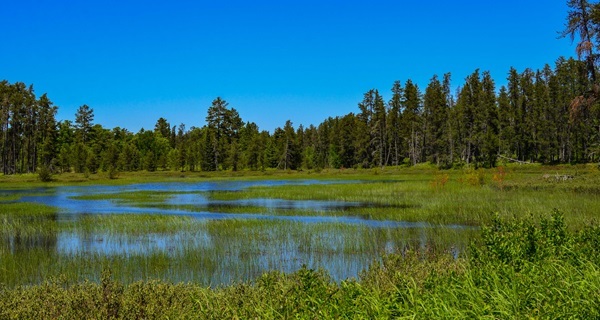
Warmwater fish like bass and panfish prefer warmer waters, like shallow ponds and lakes, while trout and salmon require cooler water temperatures, such as in streams and rivers in the northern part of the state.
An impoundment (basin) created by a dam, for example, will have warm water.
Even if coolwater species like brook trout are stocked there, they’re unlikely to survive, let alone create a robust fishery.
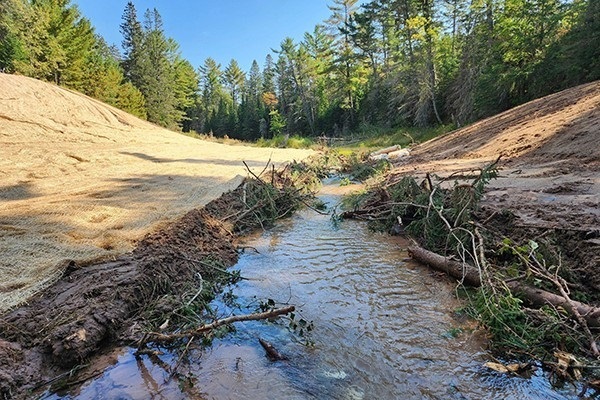
Fish also need the proper habitat for spawning, as well as protected areas for young fry to hide from predators or rest, away from strong currents.
Fish spawn in a variety of locations, from sandy lake bottoms to clean riverbed gravel, submerged vegetation or even rocky reefs in the Great Lakes.
Each species has its own unique needs. If fish don’t have access to the right kind of spawning habitat because they’ve been stocked in a body of water that doesn’t have it, they won’t have much success reproducing.
Fish community
Fisheries managers need to balance the desires of anglers with the requirements of ecosystems. In some waters, stocked fish will compete with the wild fish already present. This is an outcome that fisheries managers seek to avoid, whenever possible.
In some cases, stocking fish in a lake isn’t appropriate because of the effects it will have on the existing fish or other aquatic animal or plant populations.
While it can be disappointing for anglers or lake residents, often the best management action is not to stock.
When this is the outcome, fisheries managers can explain to interested parties the underlying impacts, tradeoffs or limitations behind it.
Private property
The DNR manages Michigan’s public waters, but some bodies of water in Michigan are privately owned. The private property owners are responsible for maintaining these ponds and lakes.
As long as the body of water is not permanently connected to any other and does not have public access, the owner can stock it with fish at their discretion (within the bounds of the law), but the DNR can’t.
If you’re unsure whether the lake or pond that you’d like to stock is publicly or privately owned and whether a permit is required for stocking, contact your local fisheries biologist for assistance.
Given all these reasons, it’s no surprise that many of Michigan anglers’ favorite fishing spots aren’t stocked.
If you have questions about a specific lake or stream, reach out to the local fisheries biologist, who can speak to the factors at play in stocking decisions for that body of water.
If you want to see where fish have been stocked in our state, check out the DNR’s Fish Stocking Database.
On the benefits of natural reproduction and unstocked waters
By TIM CWALINSKI, Northern Lake Huron unit manager and MARCEE WARDELL, communications specialist, Fisheries Division Michigan Department of Natural Resources
When an angler finds out that you work for the Michigan Department of Natural Resources Fisheries Division, one of their first questions is usually “Why don’t you stock [insert body of water here]?”
It seems like a simple question, but there is a lot that goes into the decision to stock or not to stock a lake or stream.
Things like the existing fish community, habitat suitability, water temperature and quality, and cost of rearing fish and their availability have to be accounted for, among many other considerations.
Plus, stocking is only one of the tools that DNR fisheries managers have at their disposal to enhance fisheries and protect ecosystems. Fishing regulations, habitat improvement and invasive species control are also essential for maintaining healthy fisheries and waters.
So, why wasn’t your favorite fishing hole stocked?
Let’s dive into some of the reasons.
Strong natural reproduction
Most of the fish caught in Michigan are not stocked, including panfish, smallmouth and largemouth bass, northern pike and many inland trout. Bluegill, the most popular species for recreational anglers, is not stocked or raised by the DNR.
Why? There’s no need.
Bluegill and other fish in the centrarchid (sunfish) family reproduce prolifically on their own, naturally. Rather than producing and stocking more of these fish unnecessarily, their populations are managed through fishing regulations.
The population there is thriving entirely through natural reproduction, despite disruption from invasive species. The Detroit River and Lake Erie, which are connected to Lake St. Clair, are considered the “walleye capital of the world,” and there is no stocking of walleye in these systems.
These fish reproducing in the wild have ebbs and flows in their populations – some years their populations are higher, some lower. This is natural and expected, based on factors in the environment, and it’s not something that fisheries managers need to offset by fish stocking.
In many cases, fish are stocked with the goal of establishing a population that can reproduce naturally, so that stocking becomes unnecessary.
A naturally reproducing population that can sustain harvest is a mark of a functioning and intact ecosystem.
An example of this is walleye in Saginaw Bay. Walleye in the bay declined in the 1940s, due to unrestrained fishing and declines in water quality and habitat.
The DNR stocked walleye to maintain the population at a relatively low level, and when the population recovered in the early 2000s (after the collapse of alewife), stocking was discontinued.
Today, the population is fully self-sustaining with natural reproduction. There is no need for stocking, and the fishery is considered to be world-class.
Survival
Naturally reproducing fish maintain better survival rates than stocked fish, for several reasons. That doesn’t mean that stocked fish can’t survive well, but it does mean that the decision to stock shouldn’t be taken lightly if it’s going to be successful in adding mature adult fish to a body of water.
The process of transport from a hatchery to a new body of water can stress fish, and the change in water conditions when they’re stocked in a natural body of water can also cause stress.
The hatchery environment has no predators, so stocked fish will face new challenges to their survival as they grow to full size in their new home.
Naturally reproducing fish also have some genetic advantages over stocked fish.
Hatchery-raised fish come from a limited number of parents and so have less genetic diversity than fish spawned in the wild. Genetic diversity is valuable, as it can increase the prevalence of helpful adaptations and reduce the occurrence of less advantageous traits, as well as improve resistance to disease.
Reproductive selection is complex, and the best outcomes often occur when fish are able to choose their own mates and survival is defined by the environment, instead of artificial selection by humans.
Cost
Stocking fish is a costly endeavor.
It requires hatcheries with heavy equipment for bringing in water, collecting broodstock, collecting eggs and milt, keeping water temperature, dissolved oxygen and other conditions right for the species being raised, and maintaining power during outages.
Skilled staff are needed to operate and maintain this equipment, drive stocking trucks, collect eggs and milt, test for and treat disease, and feed the fish.
Fish food is also a significant expense when rearing fish.
Just like grocery costs have been rising, fish food costs have been going up. Feed costs have increased by more than 70% over the last 10 years. The DNR Fisheries Division spends 31% of its annual budget on fish rearing and stocking. In the 2024-2025 fiscal year, that cost totaled over $11 million.
The DNR has only six state fish hatcheries, along with some outdoor rearing pond facilities. With this limited infrastructure for rearing fish, the hatchery system is only able to produce coldwater and coolwater species, including trout, salmon and a limited amount of walleye and muskellunge.
DNR fisheries managers have standing stocking requests for several species, including steelhead, coho salmon, walleye and muskie, that extend beyond production capacity.
The DNR is unable, given budgetary and facility limitations, to produce as many of these fish as the agency would like to stock. Warmwater species like panfish and bass, which reproduce well in the wild, aren’t raised in state fish hatcheries.
Plus, Michigan has a lot of fresh water: nearly 11,000 inland lakes, 56,000 miles of rivers and streams and 3,300 miles of Great Lakes coastline.
It’s not feasible financially to stock so many lakes and streams, and many of these waters are also not suitable for stocking, whether that’s because of the water temperature, habitat or other environmental conditions.
Stocking fish in these waters might seem desirable to create a new fishing spot, but if the stocked fish can’t survive, it isn’t worth the cost.
It’s also important that stocked fish produce a fishery, and not just incidental catches of stocked fish.
If conditions aren’t right to sustain a fishery, stocking may not make financial sense. Just like with purchases in daily life, one needs to consider the cost-benefit ratio of stocking decisions.
In the past, it was not uncommon to transfer some adult fish from one well-established population to another body of water to create a new population and expand fishing opportunities.
However, this management tool is now rarely used, due to the risk of spreading fish diseases and unintentionally introducing invasive species.
Habitat and water conditions
Habitat is the driving force for fish.
Each species has its own set of conditions in which it can live and thrive.
Each lake or stream has a natural carrying capacity for fish, and the naturally reproducing species that live and breed there typically fill that carrying capacity to the maximum.
Like humans, fish need oxygen to live.
They “breathe” by bringing water into their mouths and pumping it through their gills, which take in oxygen.
If there’s not enough dissolved oxygen in the water at different times of year, which can be caused by high temperatures, ice and snow cover or pollution, fish can’t survive. Different species need different amounts of dissolved oxygen.
Warmwater fish like bass and panfish prefer warmer waters, like shallow ponds and lakes, while trout and salmon require cooler water temperatures, such as in streams and rivers in the northern part of the state.
An impoundment (basin) created by a dam, for example, will have warm water.
Even if coolwater species like brook trout are stocked there, they’re unlikely to survive, let alone create a robust fishery.
Fish also need the proper habitat for spawning, as well as protected areas for young fry to hide from predators or rest, away from strong currents.
Fish spawn in a variety of locations, from sandy lake bottoms to clean riverbed gravel, submerged vegetation or even rocky reefs in the Great Lakes.
Each species has its own unique needs. If fish don’t have access to the right kind of spawning habitat because they’ve been stocked in a body of water that doesn’t have it, they won’t have much success reproducing.
Fish community
Fisheries managers need to balance the desires of anglers with the requirements of ecosystems. In some waters, stocked fish will compete with the wild fish already present. This is an outcome that fisheries managers seek to avoid, whenever possible.
In some cases, stocking fish in a lake isn’t appropriate because of the effects it will have on the existing fish or other aquatic animal or plant populations.
While it can be disappointing for anglers or lake residents, often the best management action is not to stock.
When this is the outcome, fisheries managers can explain to interested parties the underlying impacts, tradeoffs or limitations behind it.
Private property
The DNR manages Michigan’s public waters, but some bodies of water in Michigan are privately owned. The private property owners are responsible for maintaining these ponds and lakes.
As long as the body of water is not permanently connected to any other and does not have public access, the owner can stock it with fish at their discretion (within the bounds of the law), but the DNR can’t.
If you’re unsure whether the lake or pond that you’d like to stock is publicly or privately owned and whether a permit is required for stocking, contact your local fisheries biologist for assistance.
Given all these reasons, it’s no surprise that many of Michigan anglers’ favorite fishing spots aren’t stocked.
If you have questions about a specific lake or stream, reach out to the local fisheries biologist, who can speak to the factors at play in stocking decisions for that body of water.
If you want to see where fish have been stocked in our state, check out the DNR’s Fish Stocking Database.
Check out previous Showcasing the DNR stories in our archive at Michigan.gov/DNRStories. To subscribe to upcoming Showcasing articles, sign up for free email delivery at Michigan.gov/DNREmail.


 Plus, stocking is only one of the tools that DNR fisheries managers have at their disposal to enhance fisheries and protect ecosystems. Fishing regulations, habitat improvement and invasive species control are also essential for maintaining healthy fisheries and waters.
 In many cases, fish are stocked with the goal of establishing a population that can reproduce naturally, so that stocking becomes unnecessary.
 Hatchery-raised fish come from a limited number of parents and so have less genetic diversity than fish spawned in the wild. Genetic diversity is valuable, as it can increase the prevalence of helpful adaptations and reduce the occurrence of less advantageous traits, as well as improve resistance to disease.
 DNR fisheries managers have standing stocking requests for several species, including steelhead, coho salmon, walleye and muskie, that extend beyond production capacity.
 Each species has its own set of conditions in which it can live and thrive.
 Each species has its own unique needs. If fish don’t have access to the right kind of spawning habitat because they’ve been stocked in a body of water that doesn’t have it, they won’t have much success reproducing.