Wyoming Hunting Applications Due June 2
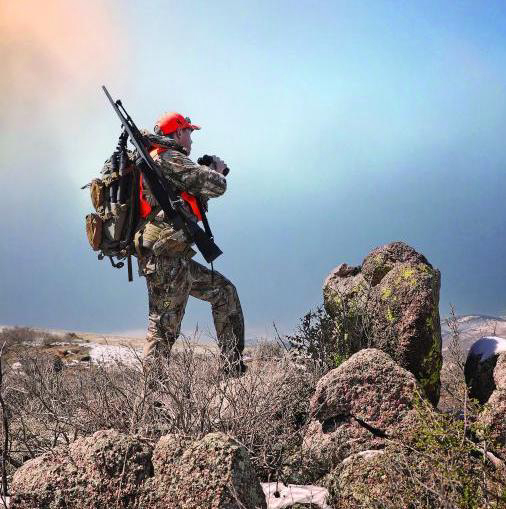
June 2 is a big day for Wyoming hunters — it’s the deadline to submit applications for many fall hunts for residents and nonresidents. Applications must be submitted on the Wyoming Game and Fish Department website by midnight MDT.
Hunters have a few days left to complete applications for:
- Resident elk, deer and antelope.
- Nonresident deer and antelope.
The Wyoming Game and Fish Hunt Planner can help hunters with their applications through interactive, in-depth mapping. For each species, hunters can see an overview of all the hunt areas in the state and choose individual areas to explore. Different colors designate private and public lands, and users can see public and county roads. Changing the map base layers also allows hunters to toggle between views like road maps or satellite imagery.
In addition to the hunt area maps, each area also has details about topography and how easy the land is to access. Other public hunting locations are marked with points for Game and Fish wildlife habitat management areas, walk-in and hunter management areas.
All applications must be made online. For those who may not have access to a computer or need assistance applying, Game and Fish has computer stations at each of its regional offices and at the Cheyenne Headquarters. Hunters with questions about applying online can call Game and Fish at (307) 777-4600.