Bipartisan Vote Supports Sportsmen’s Call for Transparency in Environmental Litigation
GW: I’ll be pleasantly surprised if the “most open” federal administration via Harry Reid, allows a vote on this bill in the Senate.
MISSOULA, Mont.–The U.S. House of Representatives has passed a bipartisan bill to publish details on lawsuits lost or settled by federal agencies that must pay the private legal fees of the other side.
The Open Book on Equal Access to Justice Act, H.R. 2919 – which passed the House on May 6 by voice vote with support of both Democrats and Republicans – would create an online public database of court cases against the U.S. government. Agencies do not keep usable data on cases brought against them according to investigations by the Government Accounting Office. H.R. 2919 would provide a common base of information available to all citizens.
 “I love work days like this,” said DNR wildlife biologist Bruce Barlow. “Great relationships start and continue when you are working outdoors in the dirt side by side with your partners.”
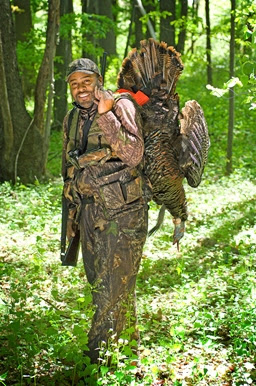 Michigan annually ranks among the top 10 states in the union for wild turkey harvest – an almost astounding fact, as 100 years ago there wasn’t a wild turkey to be found in the state. Though experts believe the state was home to around 100,000 birds in pre-Columbian times, the population was wiped out by habitat destruction and unregulated hunting. Today, wild turkeys can be found in every county in the Lower Peninsula and in many places in the Upper Peninsula as well.
 Antlers…they have fascinated man since the beginning. Going back thousands of years one can see mans’ love for “animals with antlers” etched and painted on the walls of caves. Antlers were a trophy in a different way before they were used to decorate the walls of our hunting camps and game rooms. Before modern civilization, antlers were used to make tools, ceremonial wear, and weapons just to name a few of the uses. So how do these intriguing bones grow? What are they made out of? How do they go from this soft looking, furry velvet to a durable set of rock-hard fighting gear?
 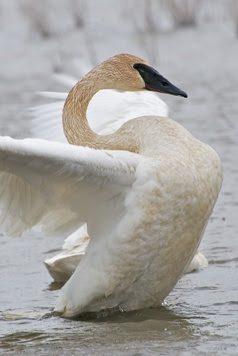 Highlights of the birding tours may include diving and dabbling ducks in full breeding plumage, trumpeter and tundra swans, osprey, bald eagles, sandhill cranes and many more. The tours, led by DNR wildlife biologists and technicians, will include a “sneak peek” driving tour into refuge areas that are normally closed.