
DNR conservation officers seek information on Manistee County bear poaching
Michigan Department of Natural Resources conservation officers are seeking information regarding a bear poaching incident that occurred in the evening of Nov. 16 in northeast Manistee County.
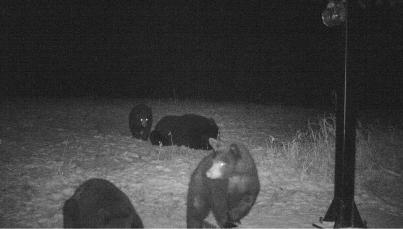
Conservation officers were called to investigate the shooting of a female black bear, found dead of a shotgun wound near a hunting blind on public land in Cleon Township. Witnesses said that the bear had been killed on Nov. 16 at approximately 5:30 p.m. Three bear cubs are believed to have been orphaned as a result of the bear being killed, although the cubs were not located.
Conservation officers are seeking to interview a white male who was spotted at the scene on Nov. 16. The male is believed to be involved in the killing and is described as having a thin build, standing approximately 5 feet 8 inches to 5 feet 10 inches tall. The male had facial hair and left the scene driving a dark-colored pickup truck. The DNR Law Enforcement Division is requesting any information to aid in the investigation of this poaching incident. Read more

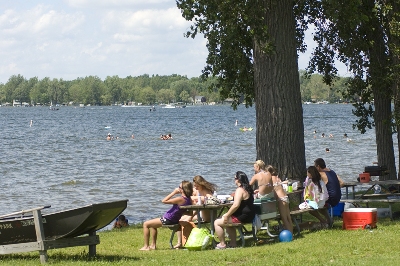 Campers are encouraged to plan ahead to get the first pick of campsites for some early spring camping, or – if outdoor camping in the spring sounds too cold – reserve a cabin, yurt or other lodging option. Now is also the time to start planning for the Memorial Day holiday weekend; Memorial Day is on May 26, 2014.
  The Parks and Recreation Division of the Michigan DNR has proposed adjustments to the State Park camping fees to take effect for the 2015 camping season. This could be approved by the DNR Director at the NRC meeting in December.
 It has recently come to the attention of the DNR that anglers are purchasing red swamp crayfish from food markets and using them as live bait in the Grand River and Kalamazoo River. These species are considered highly invasive and have already been found in Ohio and Indiana. New restrictions were just enacted to protect Michigan’s waters from yet another invasive species.