
So it’s especially rich that Pacelle had a blog post this week titled, “Cruelty and Ideology Masquerading as Science.” Pacelle takes issues with the recommendations of some wildlife experts that Mainers be allowed to use baiting in order to hunt bears. HSUS is pushing a ballot measure to ban this practice next month.
But who’s letting ideology drive their point of view?
On one hand, you have wildlife biologists defending the use of Maine’s practices on scientific grounds. According to the experts, baiting is needed because black bears are hard to hunt, especially in Maine’s dense woods. Banning baiting will make it harder to hunt them, and therefore there’s a likelihood of unwanted bear-human encounters increasing. See New Jersey, which after banning bear hunting entirely re-instituted hunting a few years ago following problematic encounters.
On the other hand, HSUS is trying to silence the expert voices. The group has filed a lawsuit against Maine to try to stop state employees from speaking out against the measure. (State officials have even received threats.)
While experts line up on one side, on HSUS’s side there isn’t exactly what you’d call a grassroots campaign. Over 96% of the funding for the Maine ballot group has come from HSUS or its lobbying arm. The ballot group’s leader, Katie Hansberry, is an HSUS employee and lawyer from Massachusetts, and Pacelle, who has been going door to door in Maine, is a lobbyist who lives in Washington, D.C.
Hopefully Mainers tell HSUS they can handle their own issues just well enough. And hopefully they see that this ballot campaign isn’t about trying to make hunting “fairer” or easier—HSUS has an ideological opposition to hunting and wants to make it more difficult, even if the consequences aren’t so great for residents. Read more
 We’ve all heard their songs right before dark in the fall, the yips, barks, and howls of the crafty coyote. Now days there is virtually no place in the U.S. where these song dogs don’t roam. Their ability to adapt to urban sprawl and human intrusion is all too impressive. These canines can change breeding habits, diets, and pack dynamics to cope with the situation they find themselves living in. Females usually have a litter of 3-9 pups per year that are generally born in April or May. This coincides with the fawning season for whitetails as well.
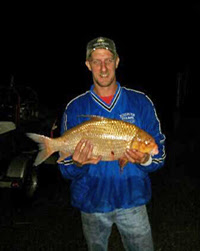 The Department of Natural Resources confirmed a new state record last month for quillback carpsucker. This is the fifth state-record fish caught in 2014.
