Nanotags Are for the Birds
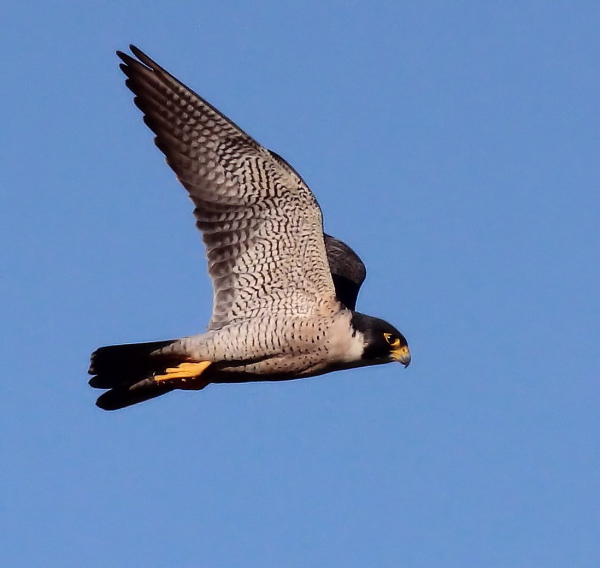
Animal migrations and homing instincts remain one the most fascinating of natural phenomena. Salmon swim upstream and migratory birds fly south, north, and back again.
How do migratory birds know what to do? Memory is deeply implicated—molecular memory—profoundly encoded in the double helix of their DNA from eons of experience.
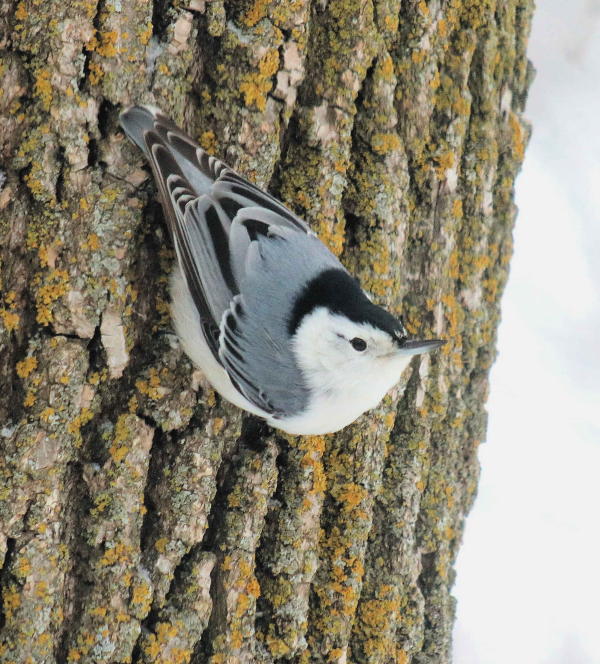
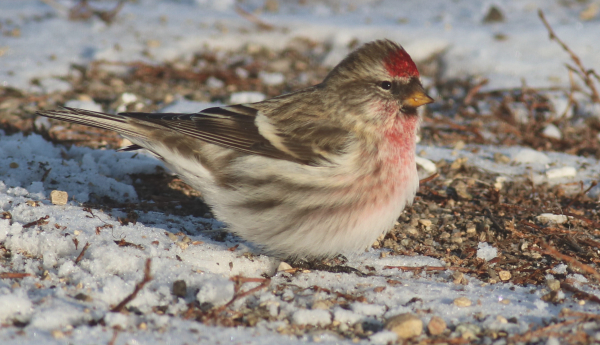
The first beautiful days of autumn usher migratory birds on their way before the breath of winter lays on the land: honking giant Canada geese in a V pointed south; swarms of chatty rusty blackbirds in an amorphous mass; and confusing fall warblers, singles slipping silently through sylvan stands. Birds big and little have learned a geography of survival over a span of time that rational beings can hardly comprehend.
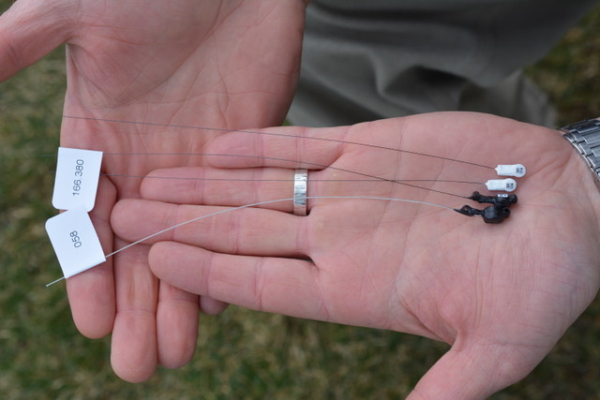
What cues birds to pick up and go, and by what routes are becoming clearer, producing big data sets from the smallest of technologies over a vast geography of the northeast United States. It’s a multistate endeavor from Maine to Maryland made possible by State Wildlife Grants administered by the Wildlife and Sport Fish Restoration program of the U.S. Fish and Wildlife Service.