Michigan Deer Habitat Improvements
Upper Peninsula – Western Mackinac County
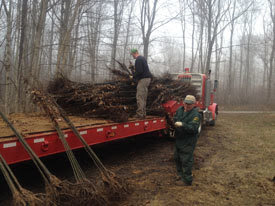 Over 1,300 oak saplings were planted in western Mackinac County this spring to increase hard mast for deer. The plantings were focused on areas that have been hit hard by beech bark disease (BBD), and also in deer wintering complexes. BBD areas will see a large loss of beech nuts, and the oak acorns that are produced in the future will help to mitigate some of the loss from BBD. “We were able to get saplings planted to help avoid problems with deer browse, and as a bonus they’ll also throw acorns sooner,” said DNR wildlife biologist Dave Jentoft. “We had great cooperation with our sister division, the Forest Resources Division, in making these plantings happen.”
Northern Lower Peninsula – Kalkaska County
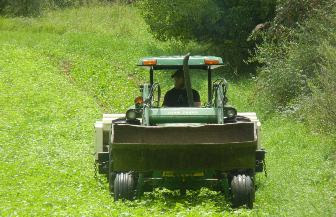
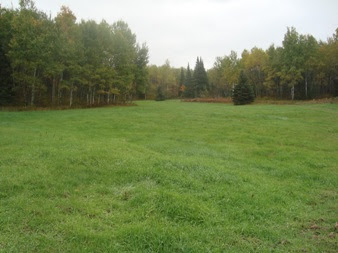
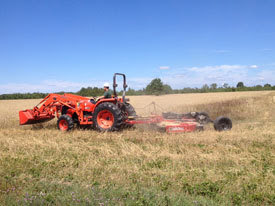 The Fletcher area in southern Kalkaska County is a great destination this fall for deer hunters. Over 1,600 acres of public land is available to set up camp during firearm, late archery or even muzzleloader season. This spring over 470 acres were prescribed-burned in an effort to kill woody plants that are closing in on this large grassland complex. Over 120 acres were mowed, and numerous acres were planted to winter wheat, rape and turnips. Visit Mi-HUNT to explore this area from home, and make plans to visit in person to hunt the fall and early winter seasons.
Southwest Lower Peninsula – Cass County
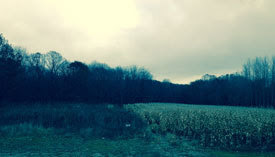 Over the past year, staff members at the Crane Pond State Game Area have installed over 200 acres of food plots and other plantings for the benefit of wildlife on the game area. Food plots are placed in strategic locations to enhance recreational opportunities. The picture to the left shows a field border adjacent to a corn food plot. Such practices allow species such as deer, turkey and pheasants to have transitional and security cover adjacent to important high-calorie winter food sources. Field borders also provide valuable nesting and bedding cover and can greatly enhance the number of bird species using an area. This is just one example of the many habitat management practices implemented at the game area over this past year.
Southeast Lower Peninsula – St. Clair County
Funds from the license restructuring are helping the DNR Wildlife Division make habitat improvements for deer and other wildlife around the state. Port Huron State Game Area is no exception. With an increased budget for habitat work, more seasonal wildlife assistants were hired this year, allowing 9 additional acres at Port Huron SGA to be converted to food plots of corn and small grains. This brings the total acreage planted with food plots to 20. These employees also worked on improving parking lots and posting additional signage around the area to improve hunter accessibility. Check out Port Huron State Game Area for an enhanced hunting experience this fall.

 As gamekeeper’s, we are constantly preaching on the importance of spring and summer nutrition for whitetails. There are huge upsides for your deer herd when they are provided quality high protein groceries during the growing months. Anyone who has tried to grow a small food plot of soybeans, lablab, or other highly attractive warm season annual, has likely experienced a failure. Although there are a number of reasons for plot failure including, lack of rain or poor seedbed prep, the number one reason for warm season plot failures is over browsing. Even with low to moderate deer densities, a 1 acre soybean plot planted in the middle of hundreds of acres of timber, can be destroyed in a few days time. In the first few days after germination, popular spring plantings such as iron clay peas, soybeans, or lablab that are bitten off below the terminal bud are killed and will not grow. So, now that we have identified the problem, what are some solutions?